Specialist Engineers
Focused bathroom leak investigations for showers, baths, concealed pipework and water ingress.
Bathroom Leak Detection
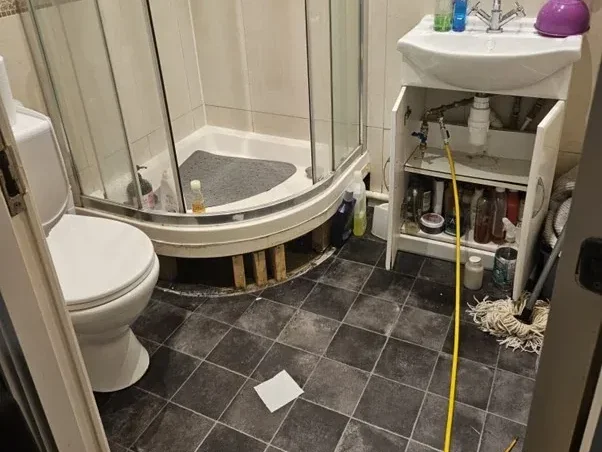
Investigate suspected bathroom leaks behind tiles, beneath floors and around showers, baths, toilets and concealed pipework using specialist non-destructive methods.
Our bathroom water leak detection process considers plumbing and waste routes alongside seals, grout, shower enclosures and condensation before unnecessary removal is considered.
Google Reviews ★★★★★ 5.0 Rating 83 Reviews Read ReviewsFocused bathroom leak investigations for showers, baths, concealed pipework and water ingress.
Thermal imaging, tracer gas and acoustic leak detection used before unnecessary removal work.
London, Surrey, Berkshire, Buckinghamshire, Oxfordshire, Hampshire and Sussex.
Written findings and photographs can support insurers, loss assessors and repair planning.
What It Means
Bathroom leak detection is a structured investigation of suspected water escape from showers, baths, toilets, tiled areas, concealed pipework, waste connections and routes beneath bathroom floors.
The same symptom can have several causes. Water near a shower or bath may come from a plumbing leak, failed silicone or grout, the shower enclosure, a tray or bath waste connection, an overflow or condensation. Damp and staining show that moisture is present; they do not by themselves prove a hidden bathroom leak.
Specialist plumbing leak detection can assess concealed supply pipework, while waste pipe leak detection and damp investigation may suit other evidence. Where access is required, documented findings can support trace and access decisions or an insurance leak investigation.
Bathroom water leak detection follows the evidence rather than assuming every damp patch has the same cause.
Checks can assess shower controls and supply pipework, tray or enclosure seals, grout, waste connections and the route water takes into nearby finishes.
An investigation can distinguish leaks at taps, overflows, traps, wastes and concealed pipework from failed sealant around the bath edge.
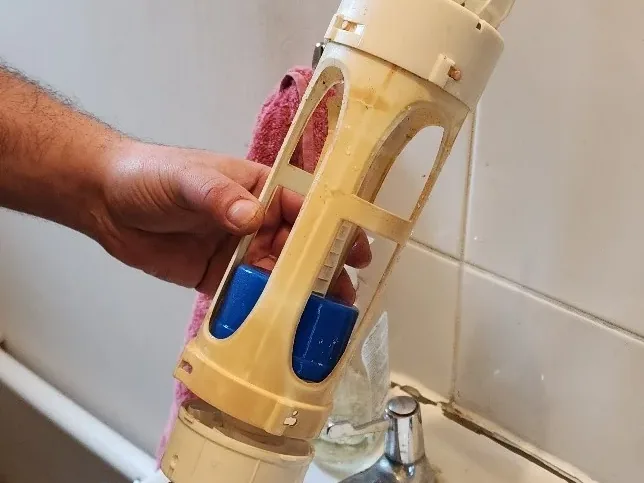
Testing can separate a passing cistern or supply connection fault from leaks at pan connectors, concealed wastes or nearby bathroom pipework.
Concealed hot or cold pipework and waste routes may run behind walls or beneath floors, but damp, staining or odours alone do not prove a hidden leak.
If a toilet may be passing water without an obvious floor leak, start with our safe guide to checking for a leaking toilet before assuming concealed pipework has failed.
Symptoms
Damp patches beside or below a bathroom can indicate water escaping behind tiles, walls or fittings.
Tiles moving, cracking or lifting may be linked to hidden moisture behind finishes or beneath flooring.
Staining on ceilings below a bathroom often points to water escape from pipework, wastes, showers or baths.
Persistent mould can indicate trapped moisture from a concealed leak rather than surface condensation alone.
Soft, swollen or damp bathroom floors can be caused by leaks beneath tiles, vinyl, boards or sanitary fittings.
Ongoing damp odours can suggest hidden bathroom water ingress that requires structured investigation.
Process
We review visible damp, water staining, bathroom layout, pipe routes and previous repair attempts.
Thermal imaging, tracer gas, acoustic detection and moisture checks are used where appropriate.
Findings are compared to narrow the likely source of water escape before access work is considered.
You receive clear findings to support repair decisions, access planning or insurance requirements.
Why It Matters
Technology
Supporting Methods
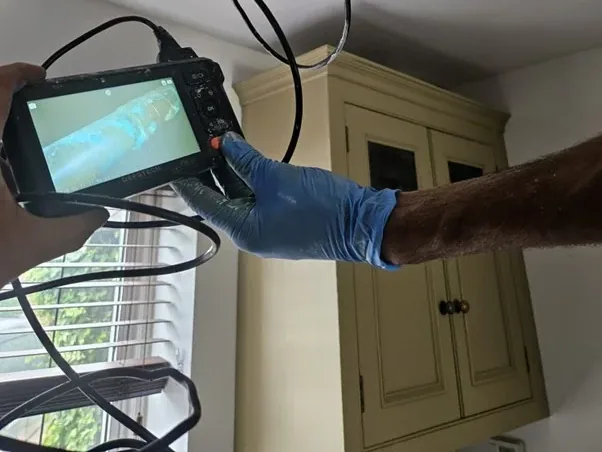
Small inspection cameras are used to visually check concealed voids, pipe routes and difficult-to-access areas before opening up.
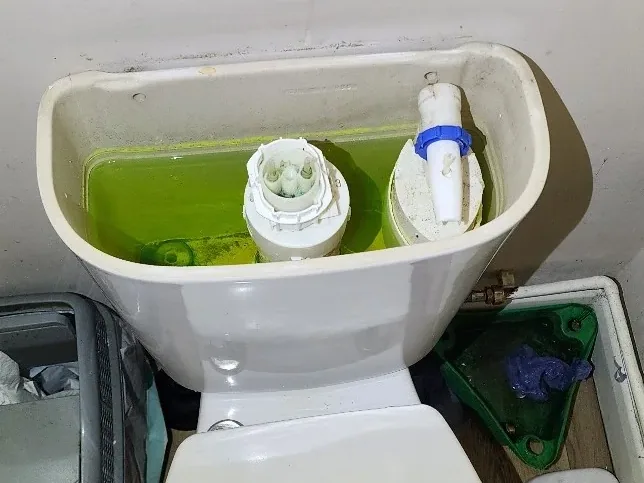
Coloured test dye can help confirm water paths, waste leaks, bathroom leaks and suspected escape routes.
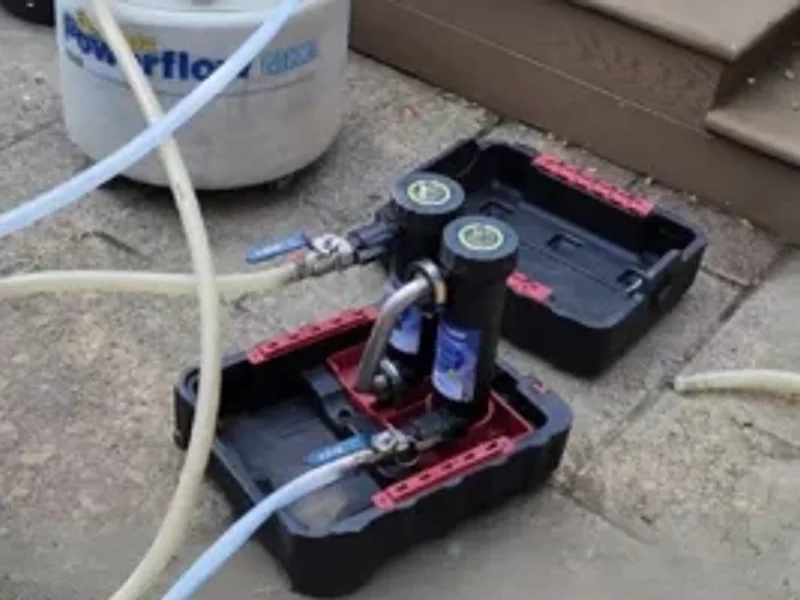
Controlled pressure testing helps identify whether sealed pipework or heating circuits are losing pressure.
Investigation Evidence
These investigations show why shower, seal, grout and toilet-related symptoms need to be tested rather than assumed.
Water reaching the flat below was traced to an ensuite shower room after the bathroom first suspected was ruled out.
Read investigationWater ingress below a shower was traced to failed silicone sealant and cracked tile grout.
Read investigationContinuous smart-meter water usage was traced to a faulty toilet cistern mechanism using dye testing.
Read investigationRelated Services
Specialist leak detection for hidden leaks in pipework, floors, walls and ceilings.
Leak tracing and access evidence for concealed leaks and insurer requirements.
Evidence-led leak investigations and reports for escape of water claim requirements.
Heating system leak detection for boiler pressure loss and hidden heating pipe leaks.
Damp surveys and moisture mapping for water ingress and hidden leak symptoms.
Investigation for hidden waste pipe, soil pipe and foul water leak symptoms.
Coverage
Bathroom leak detection surveys are available across London, Surrey, Berkshire, Buckinghamshire, Oxfordshire, Hampshire and Sussex for homeowners, landlords, managing agents and property professionals.
FAQs
Yes. We investigate suspected water behind tiles, concealed pipework leaks and water ingress around showers, baths and fittings using non-destructive methods where appropriate.
Not immediately. The investigation is designed to identify the likely leak source before unnecessary tile removal, flooring removal or access work is considered.
Yes. Water escaping from bathrooms can travel through floors and ceilings, causing staining, damp patches or damage in rooms below.
Yes. Written findings and photographs can support an insurance leak investigation, trace and access claim or repair planning where evidence is required.
We review moisture patterns, affected materials, bathroom usage, ventilation and likely pipe routes before using targeted leak detection methods where needed.
Yes. Hidden leaks can occur beneath tiled floors, floorboards, vinyl, shower trays, baths and concealed pipework routes.
A toilet leak investigation may be appropriate where water is passing into the pan, the cistern keeps refilling, moisture appears around the toilet or water damage follows the soil or waste route. These symptoms can also have accessible fitting causes, so they should be assessed before a concealed leak is assumed.
Get Expert Help
Speak to a specialist about shower leaks, bath leaks, water behind tiles, damp below bathrooms or concealed bathroom pipework.
Phone: 0333 577 0194 WhatsApp: Message us Email: Use the contact form